

Learning a second language as an adult is like trying to assemble furniture without instructions. It is possible, deeply frustrating bonuses. Children, however, take up language like a sponge in water.
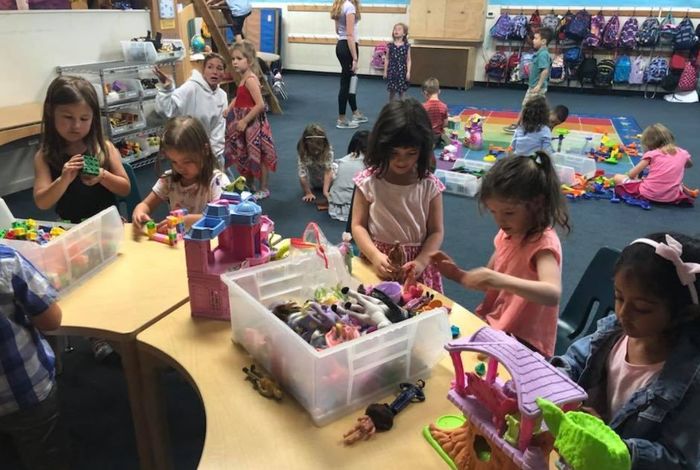
This is what is driving the Spanish immersion program among preschool and kindergarten children in Walnut Creek to gain massive momentum among local families.
And this is where most parents remain in the dark until it is often too late: the critical period for language learning is ages 2 to 7. The brain develops in a unique way during this period. Sound, rhythms, and grammatical patterns are absorbed naturally, without the frustration adults face.
Walnut Creek sits in a culturally rich region. With a large Spanish-speaking population in the Bay Area and California overall, raising bilingual children is not just educational, but socially and economically beneficial.
These programs are much more than simple vocabulary lessons. The most effective programs integrate language into daily life. Snack time, story circles, outdoor play, and songs help reinforce the language. Kids repeat songs naturally without knowing they’re learning grammar.
At the kindergarten level, progress increases rapidly. After immersion exposure, children begin thinking directly in Spanish. They process thoughts in Spanish—a new mental framework.
Parents often ask: “Will this confuse my child?” Simply put: no. Studies confirm that bilingual children gain enhanced mental flexibility, are better problem-solvers, and become strong readers in their primary language.
One Walnut Creek mother shared: “By Thanksgiving, my daughter was correcting my pronunciation. I was humiliated and proud.”
Beyond academics, there are social advantages. Children in immersion programs develop a natural curiosity about culture. They begin asking questions about holidays, food, and language differences. This curiosity becomes a lifelong investment.
Programs in Walnut Creek come in different formats. Certain schools use complete Spanish immersion. Some balance English and Spanish equally, ideal for non-Spanish-speaking families. There is no single “right” approach—it depends on your child’s personality and your goals.
Cost is often part of the conversation. Quality bilingual programs in the Bay Area can be costly. Still, families often view it as a valuable investment. College language requirements? Already covered. Job opportunities where Spanish is valued? Definitely.