

Enrolling your child in a preschool or kindergarten in Walnut Creek is not unlike the process of hunting for your first apartment. Parents want the perfect fit and environment, and nobody wants to second-guess their decision after enrollment.
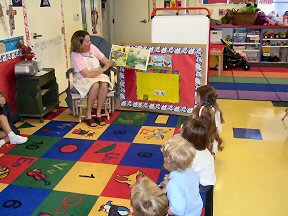
Living in Contra Costa County means families have plenty of educational options to choose from. Although having options is beneficial, it can sometimes make the decision more difficult. Many parents find themselves reviewing multiple open house schedules over a lukewarm cup of coffee, trying to determine what makes one school different from another. This myspanishvillage.
## Choosing Between Public and Private Early Education
Public kindergarten in Walnut Creek is often available through the Mount Diablo Unified School District. These programs are led by credentialed teachers and follow California state educational standards. Most classes include approximately 20 to 24 students.
Private schools typically follow their own enrollment timelines and educational approaches. Families may need to apply months in advance to secure a place for the fall term. Waiting too long could result in being placed on a lengthy waitlist.
Parents should also evaluate the school's teaching philosophy. Certain programs embrace Montessori principles, whereas others focus on hands-on play experiences. Hands-on learning environments may encourage imaginative projects, problem-solving, and social development.
There are advantages to both Montessori and play-based learning environments. Parents should focus on finding the approach that best matches their child's needs.
## Understanding Age Requirements and Eligibility
Under California law, children must turn 5 years old by September 1 to enroll in kindergarten. Most preschool programs welcome children beginning around 2½ to 3 years of age.
Parents should recognize that school readiness differs among children. While some children thrive in a classroom setting early on, others benefit from waiting a little longer.
Strong academic skills do not always guarantee emotional or social preparedness. A child may be able to count to 100 yet still struggle with separation during drop-off. Recognizing the difference between academic and social readiness can make the transition smoother for both parents and children.