

The majority of business owners treat their fleet as a headache. Trucks cost money. Drivers eat through fuel. Trucks break down when you least expect it. However saphyroo, here's the thing — a poorly managed fleet doesn't bleed money quietly. It bleeds bleeding openly, continuously and often at the same time.
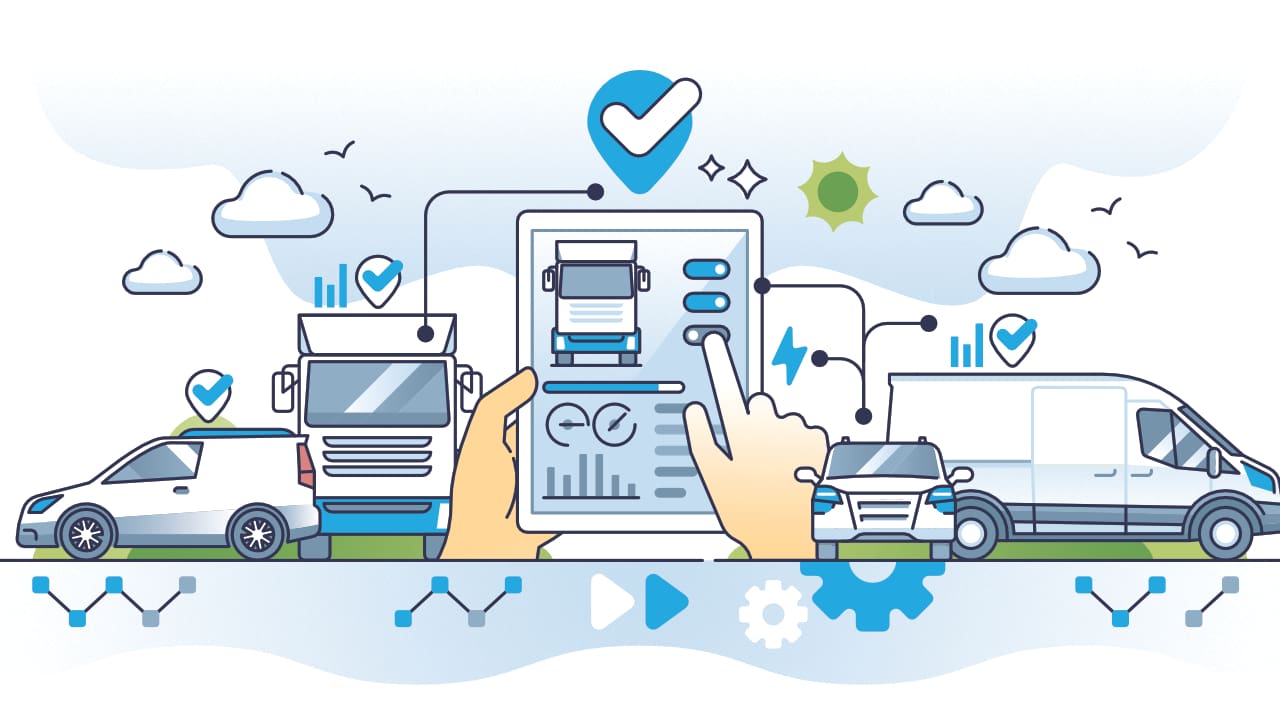
Any operation that involves movement of goods, people or services is supported by fleet management. Get it right, and your cars become a smoothly running cash generator. Slip up and it becomes a never-ending, money-draining cycle.
So where do most businesses go wrong?
They operate without visibility. Without any real-time GPS data. No servicing schedules. No fuel reporting. Just gut feelings and wishful thinking. A driver reports a broken transmission on some highway and all of a sudden the entire day is spoiled. That is not bad luck — that is bad planning in disguise as bad luck.
Once real-time GPS tracking became accessible, everything changed. You have full visibility of your entire fleet at all times. Unexpected route changes are detected. Unplanned stops are monitored. That costly idle time gets tracked and minimized. Businesses using GPS tracking consistently report fuel savings of 10 to 15 percent. That's no small number. That's real, significant money.
Preventive maintenance is another massive opportunity businesses consistently miss. Reactive maintenance — repairing when something fails — is three to five times more expensive than planned servicing. A standard oil change runs about $60. Replacing or rebuilding a damaged engine costs around $6,000. You don't need a calculator to figure that out.
Today's fleet software automatically triggers alerts when a mileage limit is reached or a sensor detects a problem. You don't need a mechanic with a sixth sense. The system does all the heavy lifting for you.
It gets personal here, and uncomfortable — driver behavior.
Nobody likes the idea of monitoring their employees. The numbers, however, tell a clear story. Sudden braking, aggressive acceleration, and habitual speeding increase accidents and crush fuel performance. It takes a driver 40 times a day to brake hard, not just wearing away brake pads, but a menace on the road.
One logistics business tracked driver behavior across a 50-vehicle fleet for 90 consecutive days. When the data came in, three drivers had generated 60% of all the excess fuel costs. Three individuals. Out of fifty. Coaching those three drivers saved the company $18,000 in fuel annually. No terminations, no conflict — just data and a conversation.